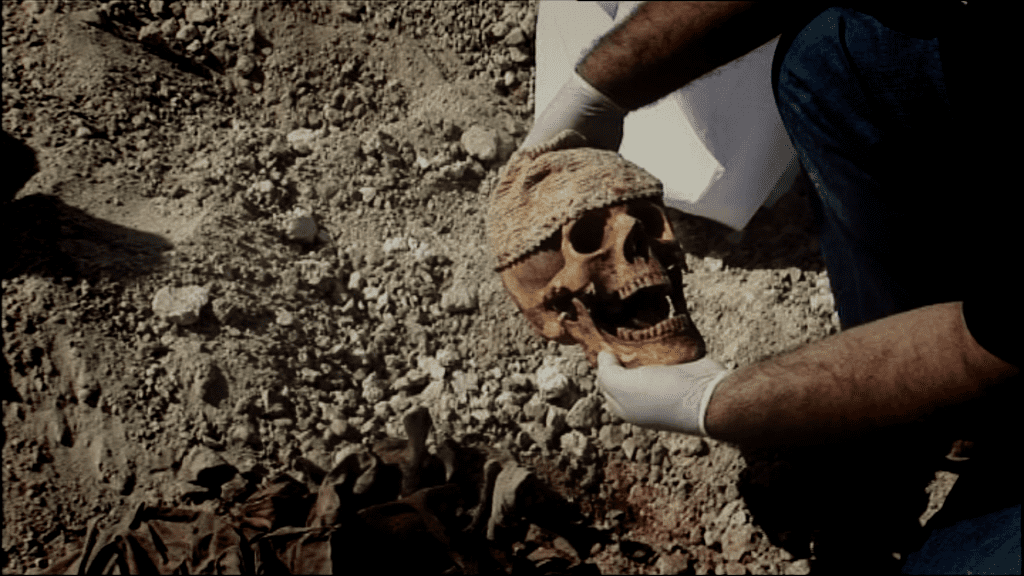
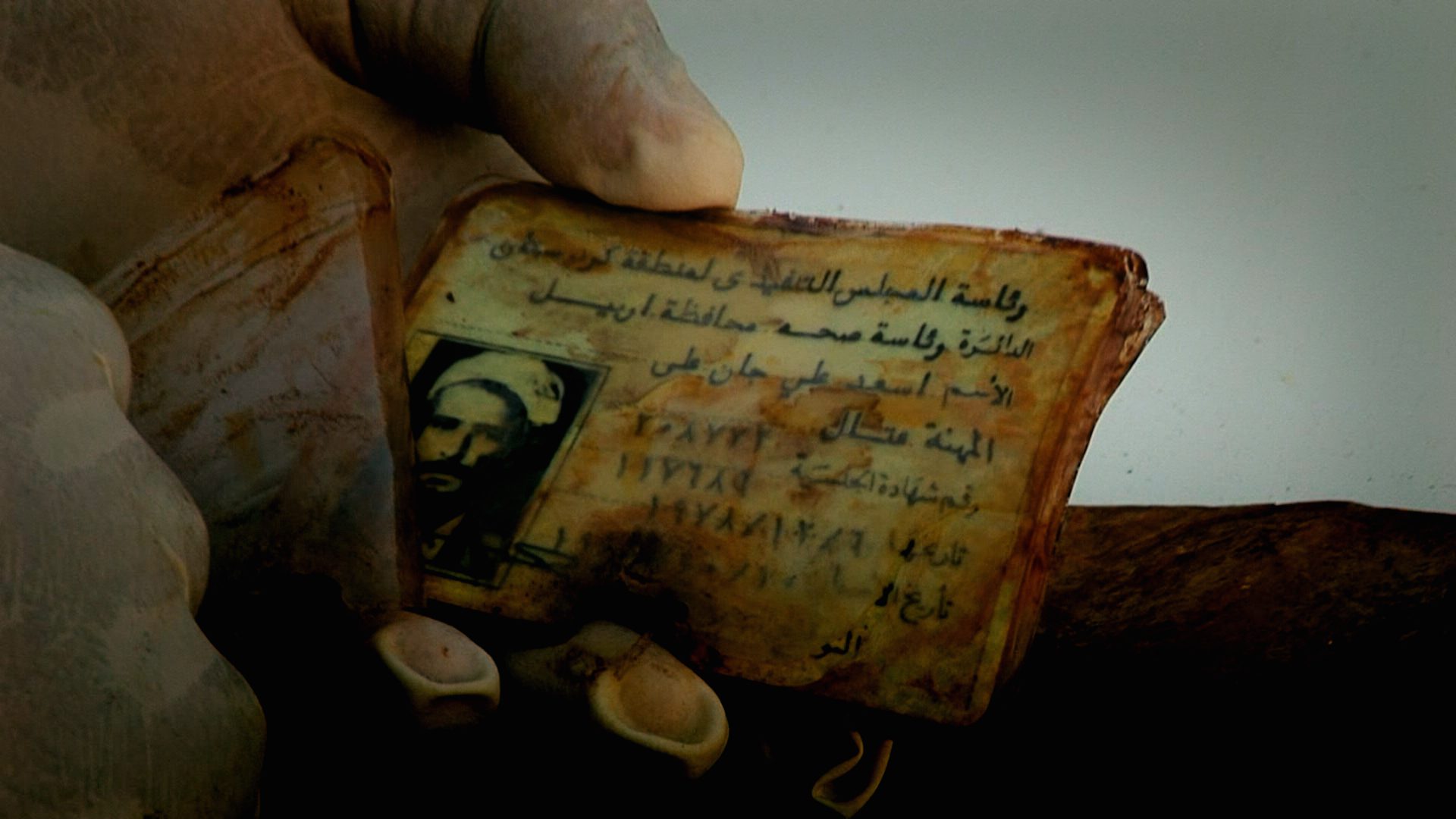
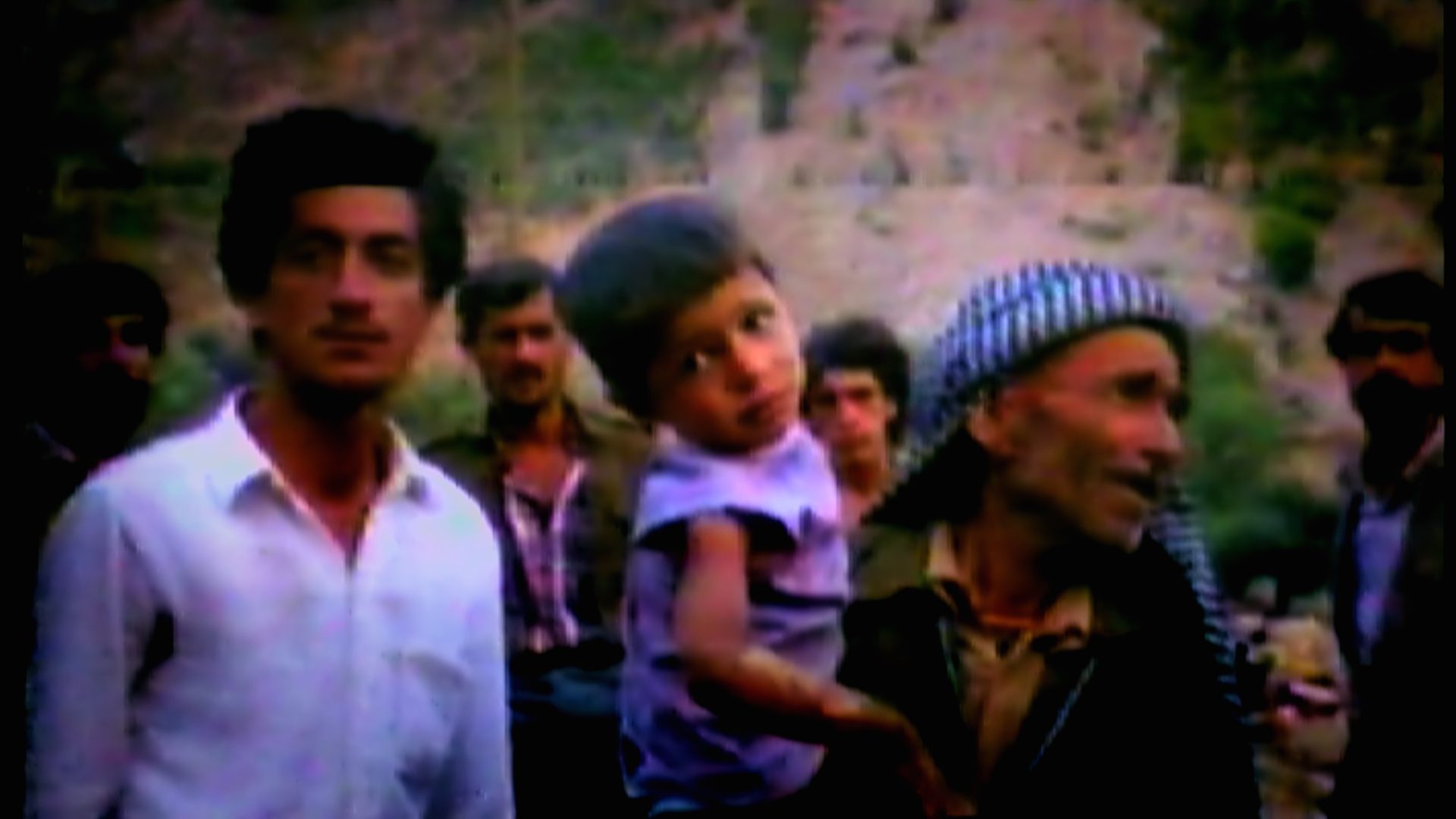
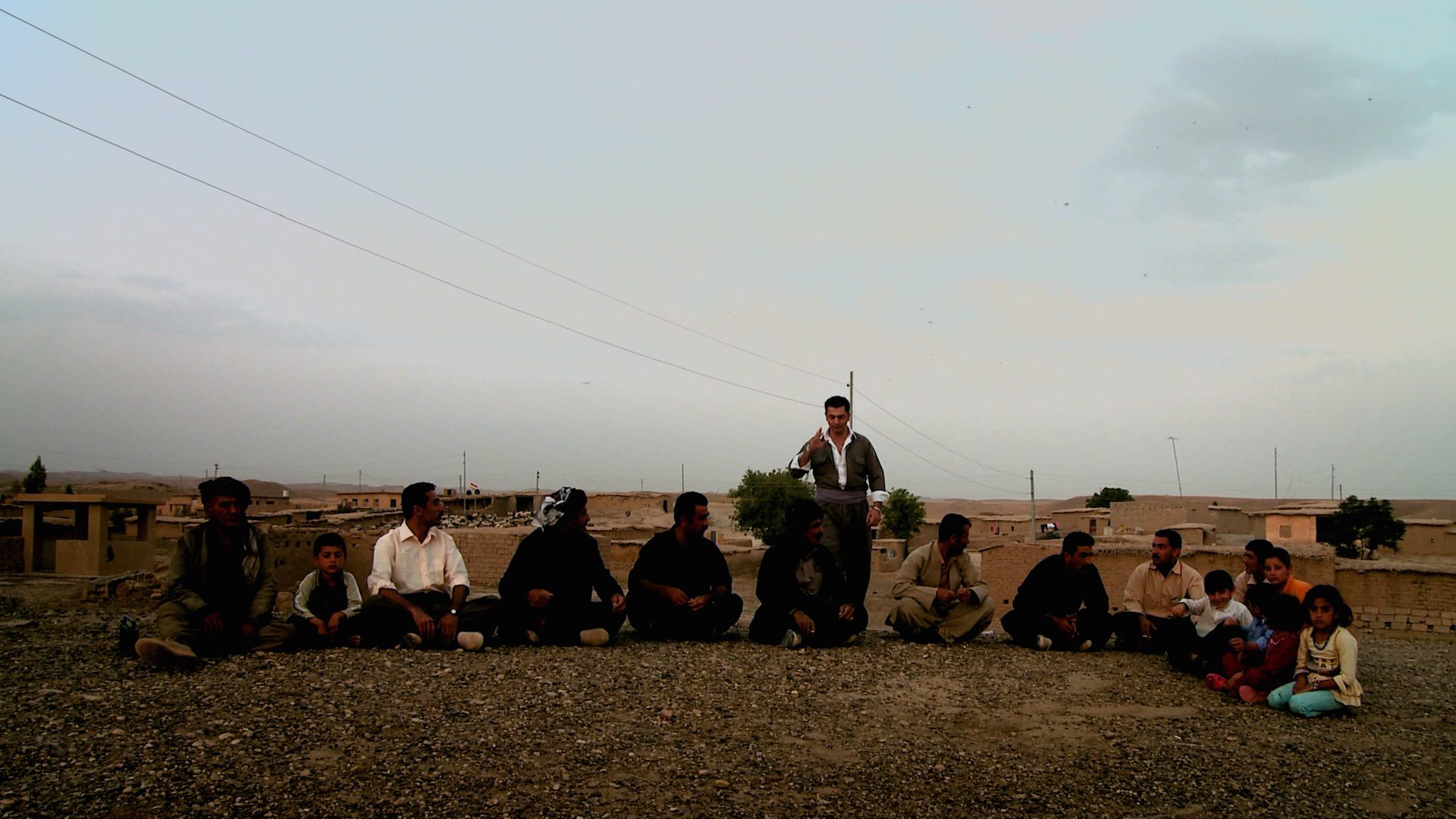
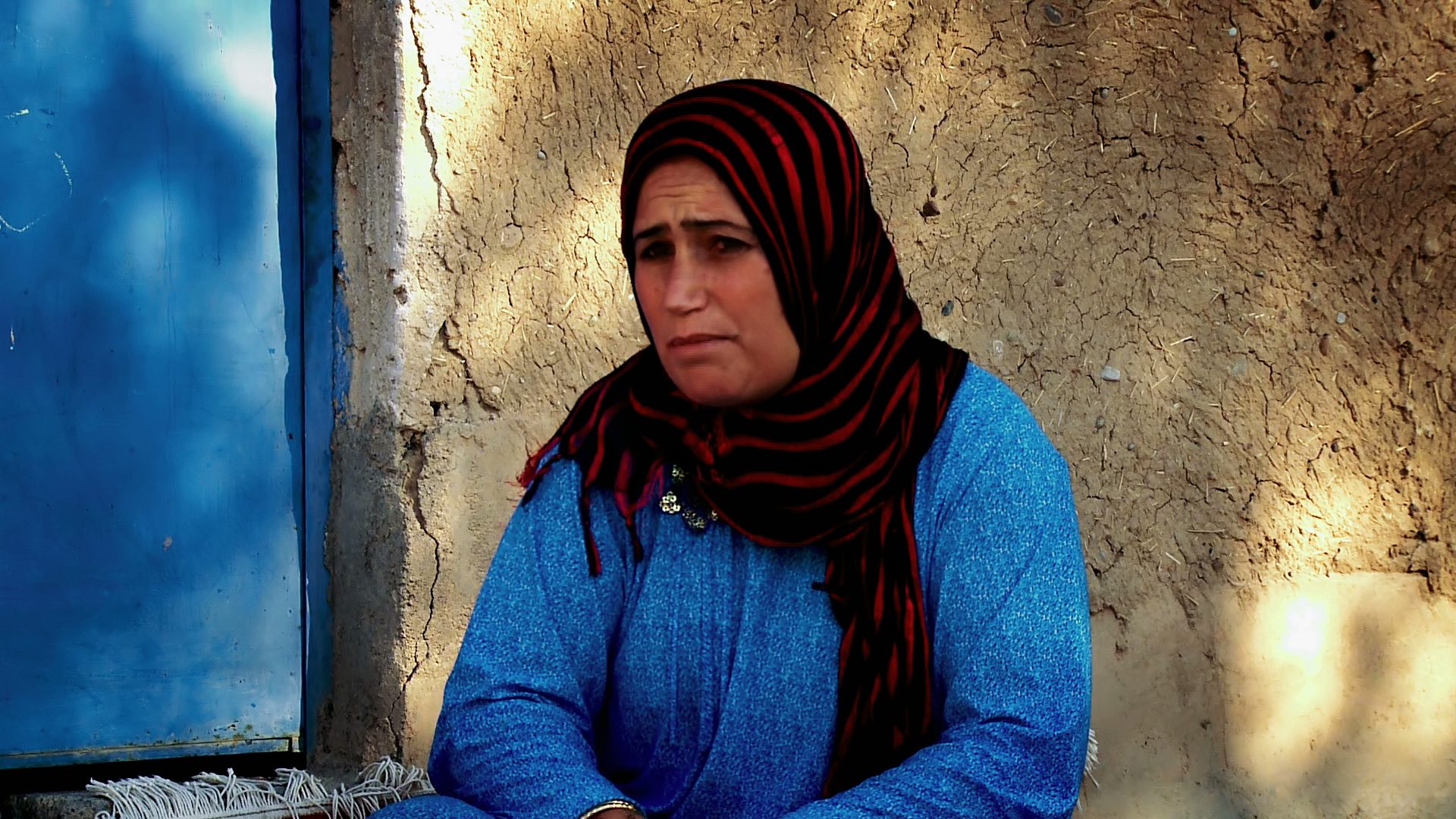
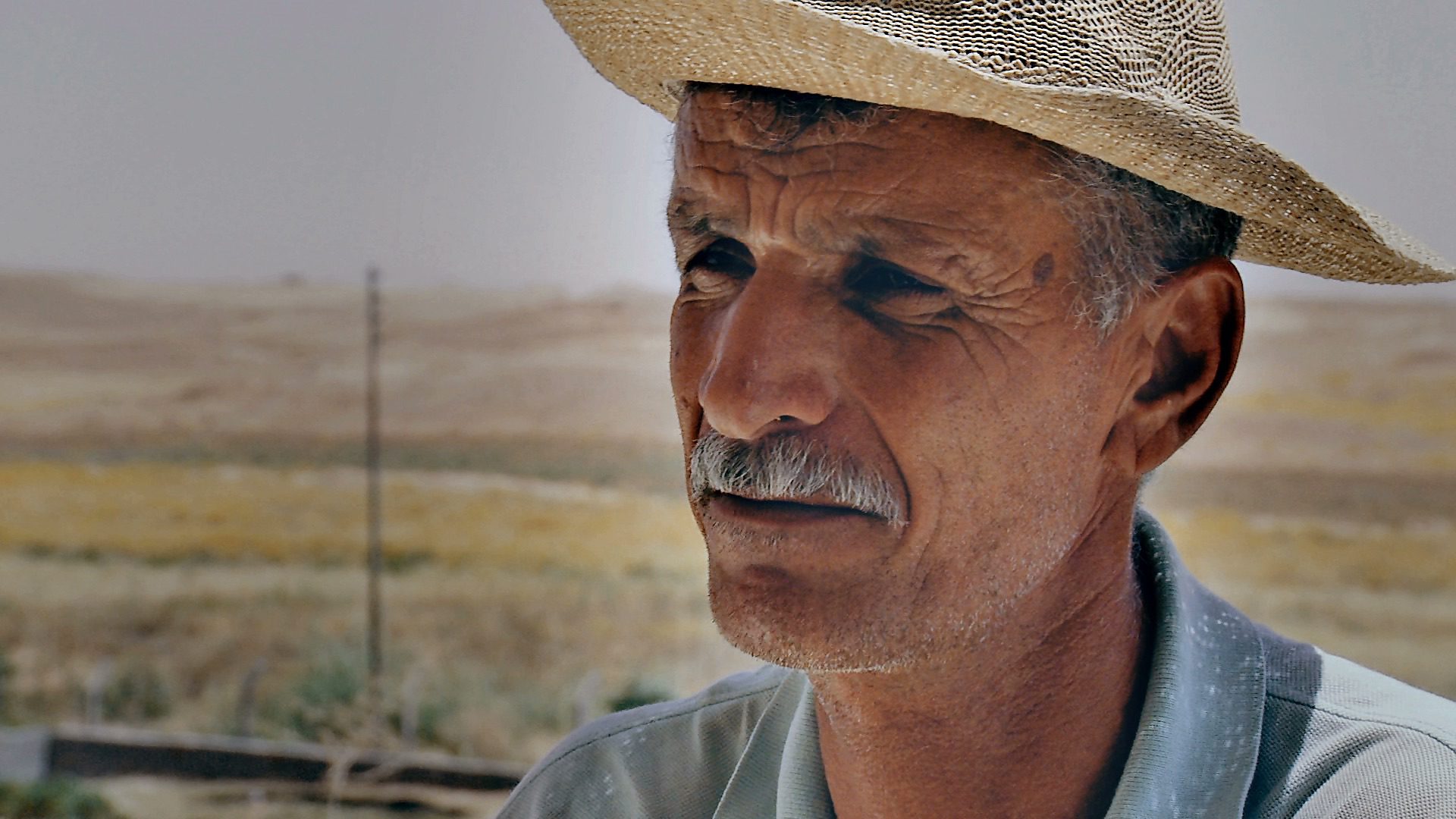
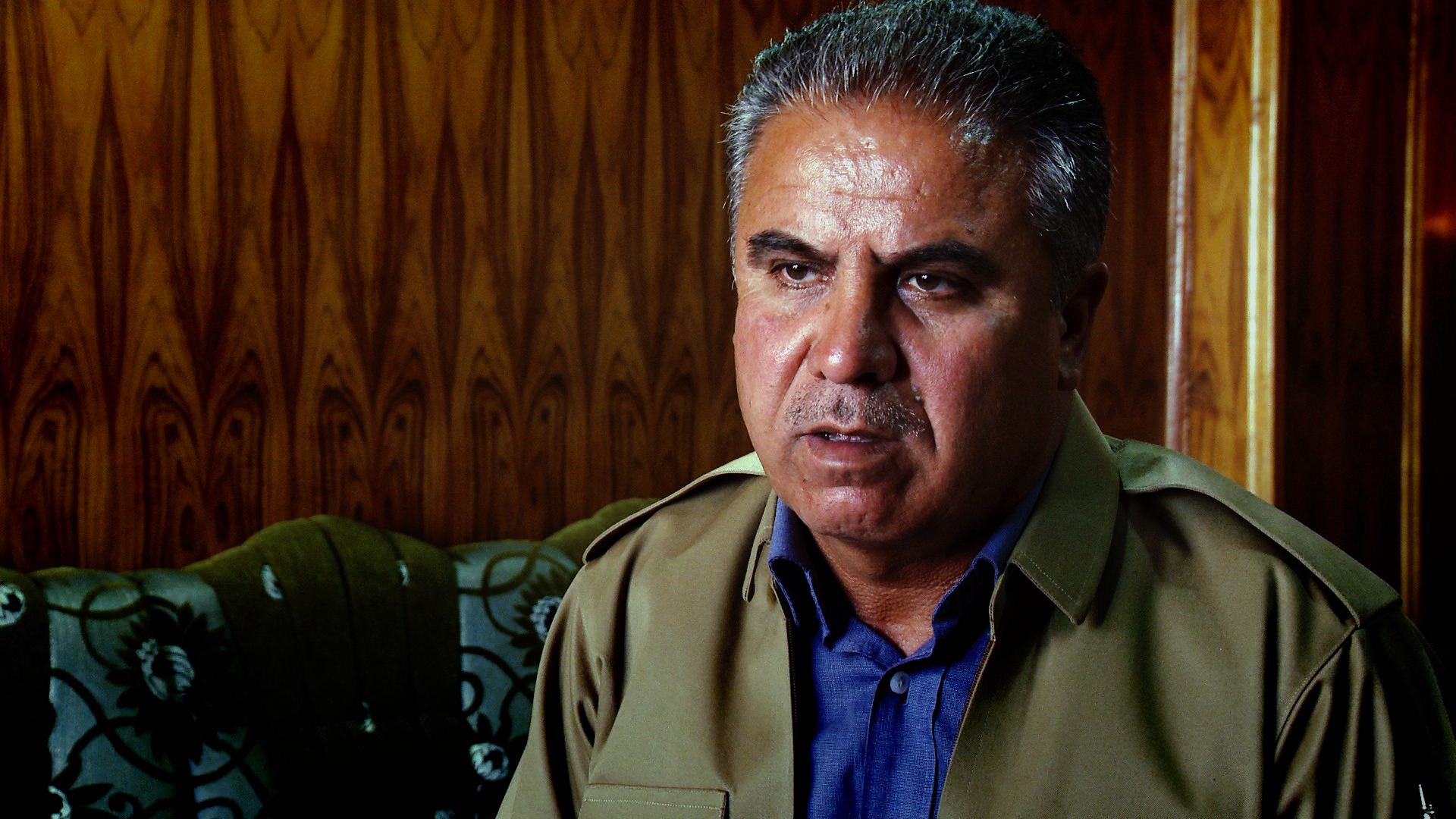
The Barzani tribe had long been a thorn in the flesh of the Iraqi central government. Hostilities reached boiling point during the Iraq-Iran War when Saddam Hussein accused them of collaborating with the Iranians. Soon afterwards between 5,000 and 8,000 Barzani tribesmen were abducted and never seen again.
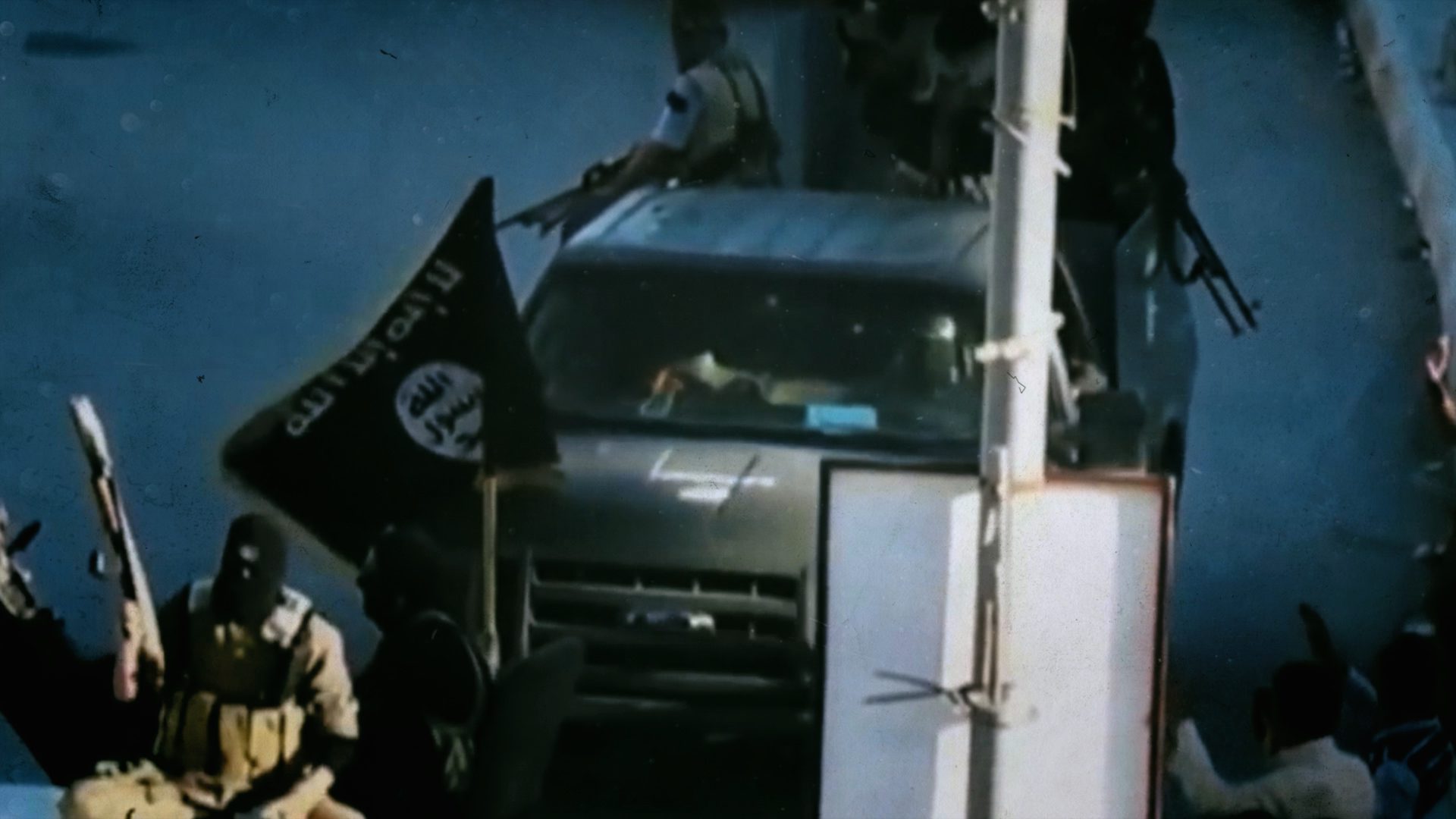
When jihadists from Islamic State of Iraq and Syria (ISIS) invaded the Sinjar region of northern Iraq in 2014 they committed genocide against the Yazidi population. One Yazidi family, the Chattos, survived their onslaught.
In 1988 the Iraqi army launched a ferocious attack on Kurdish communities south of the Turkish border. Fleeing towards Turkey, the villagers of Kureme found their route blocked by Iraqi soldiers and were captured. The male villagers were put in front of a firing squad – yet six survived to tell their story.
In the 1980s Kulajo gave unstinting support to the Kurdish resistance and for this its people were punished by Saddam Hussein. Villagers were transported to prison camps and many were later executed. Yet some lived to tell extraordinary stories of survival.
‘My brother begged for Allah’s help as policemen took him away’
Death was a constant threat for the Kurdish villagers held in detention camps during Anfal. FATIMA KHURSHEED MAHMOUD describes how many of her relatives, including her father and brother, never returned from Iraqi captivity.
‘The Arabs are still occupying our lands 45 years later’
Hundreds of Kurdish families were driven off their lands near Kirkuk in the 1960s by Arab militia known as 'The National Guard'. FAKHRADIN KAKASHEEN MOHAMMED tells how, as a five-year-old, he was forced to flee with his family.
‘There’s a fire still burning inside me: my family died but I survived’
Yazidis who fought the government of Saddam Hussein were shown no mercy. ALI HAWER BAKO, a communist peshmerga, lost 27 of his extended family in the 1980s after they surrendered to the authorities.
‘They had a nice, calm life but then Anfal was upon us’
Many men from Kulajo village joined the peshmerga and their families were punished for this by the Iraqi government. Relatives of OSMAN ALI AZIZ were transported to prison camps and others, including small children, were shot dead in execution pits.
‘“You betrayed your nation,” I told Saddam Hussein at his trial’
During Saddam's trial in Baghdad, Kurdish Anfal survivors confronted the former Iraqi leader. One of them was MAHMOUD RASUL MUSTAFA, who last saw his wife, three sons and two daughters in a prison camp near Kirkuk.
‘Who could have imagined the Iraqi government would shoot women and children dead?’
To protect their families, some Kurdish villagers joined militia known as “jash" and fought with the Iraqi army. It was often a difficult choice: RAUF AHMAD QADIR from Kulajo village joined a “jash" unit in Kalar and later learned many of his relatives had been arrested and executed in Iraqi captivity.