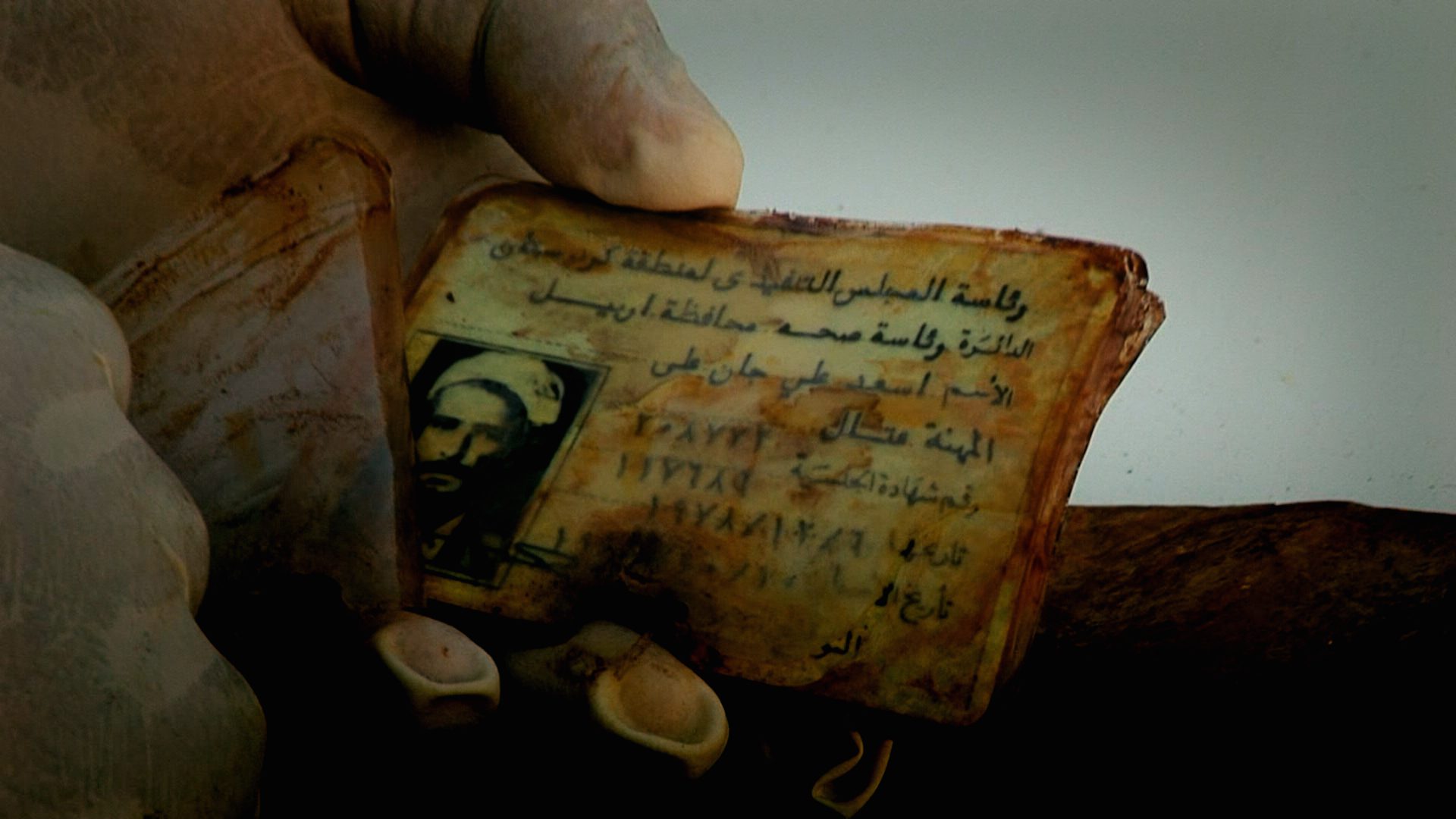
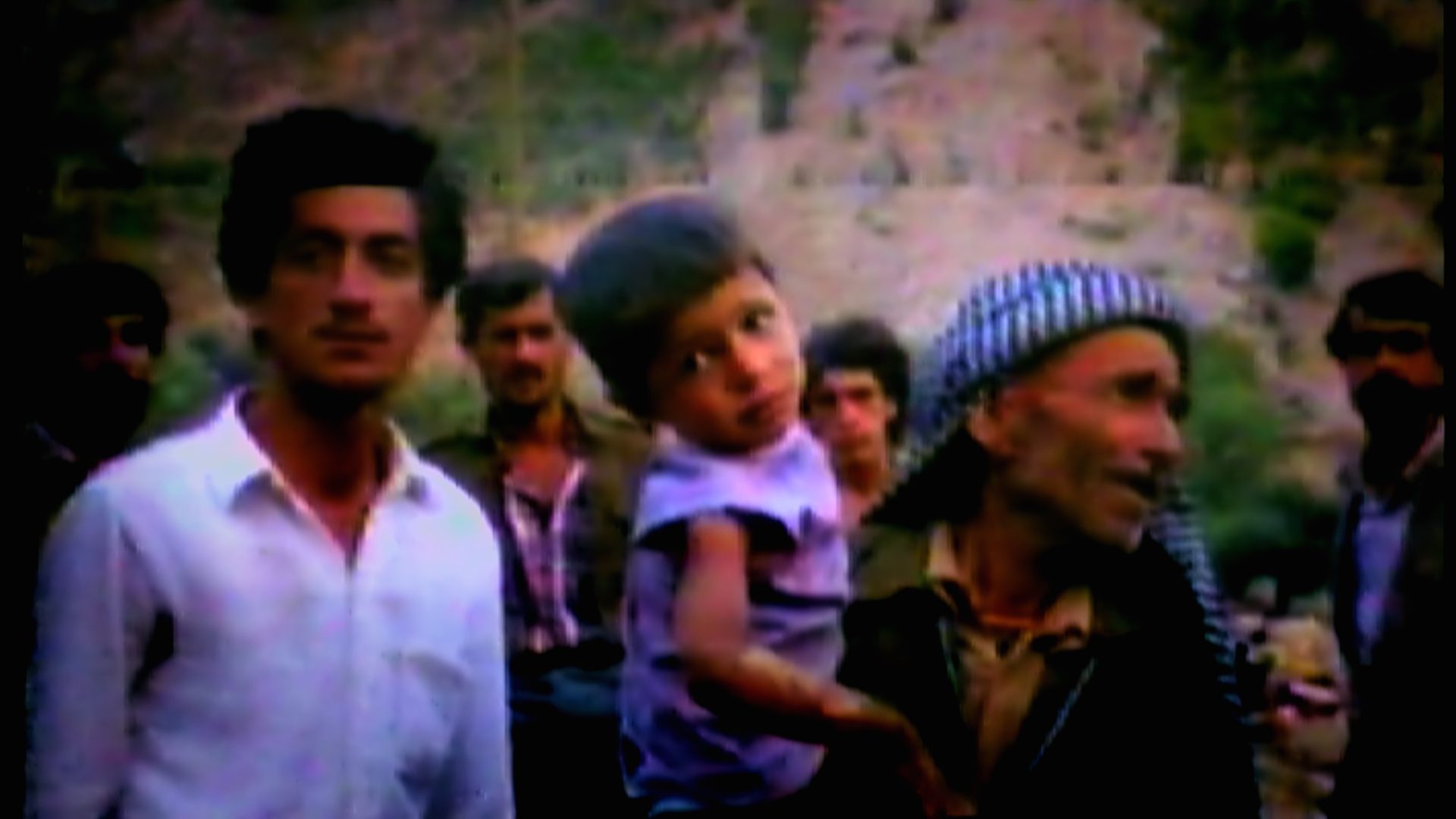
The Barzani tribe had long been a thorn in the flesh of the Iraqi central government. Hostilities reached boiling point during the Iraq-Iran War when Saddam Hussein accused them of collaborating with the Iranians. Soon afterwards between 5,000 and 8,000 Barzani tribesmen were abducted and never seen again.
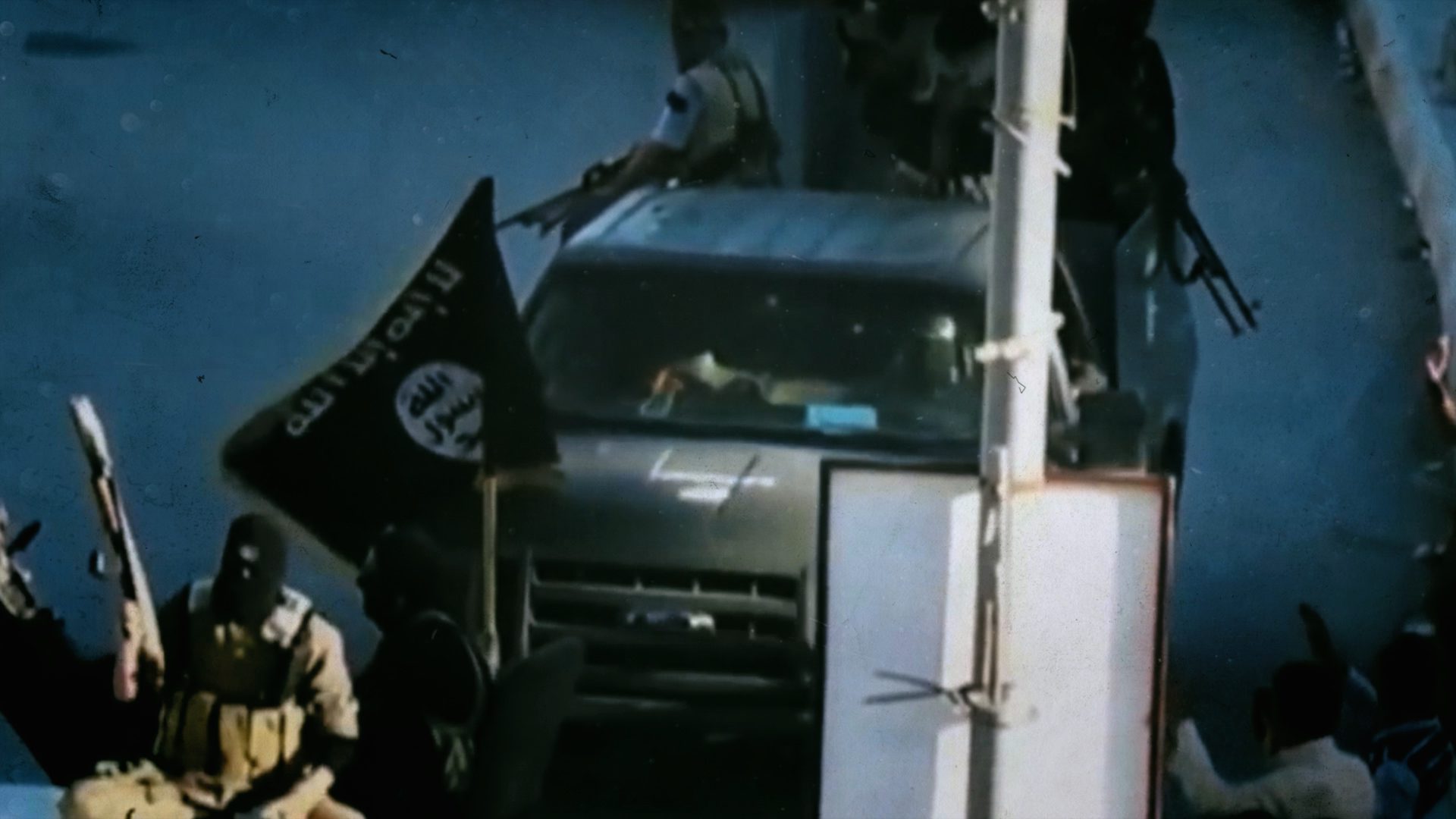
When jihadists from Islamic State of Iraq and Syria (ISIS) invaded the Sinjar region of northern Iraq in 2014 they committed genocide against the Yazidi population. One Yazidi family, the Chattos, survived their onslaught.
The Iraqi attack on the Balisan valley was the first time a sovereign state had used chemical weapons on its own populace. Shocked villagers who survived the attack likened the experience to witnessing "doomsday".
In 1988 the Iraqi army launched a ferocious attack on Kurdish communities south of the Turkish border. Fleeing towards Turkey, the villagers of Kureme found their route blocked by Iraqi soldiers and were captured. The male villagers were put in front of a firing squad – yet six survived to tell their story.
‘Children were laid on the ground and some were dead: no breathing, no movement’
After a horrific gas attack on Balisan valley, survivors were imprisoned in Erbil without medical treatment. MOHAMMED RASUL QADIR, who was held in the same jail, saw 57 villagers from Balisan die within a week of their arrival.
‘I lay on my back and it felt like there was a hole in my chest’
Iraqi planes attacked some 70 Kurdish villages with poison gas in the Bahdinan region of Kurdistan, just south of the Turkish border. MOHAMMED ALI AHMED was semi-conscious for days after inhaling the toxic fumes.
‘I thought the strange smell was from people cooking’
Balisan and Sheikh Wasan were the first villages in Kurdistan to be attacked with poison gas. SALAAM HUSSEIN AZIZ describes how curious villagers went up to bomb craters and breathed in the toxic fumes. Soon they were screaming in pain and collapsing.
‘I walked my son to the bus: I knew I’d never see him again’
Villagers from Sheikh Wasan initially refused to believe chemical weapons had been used against them. AISHA TAHA ABDULLAH remembers her son laughing when she urged him to cover his windows and doors with blankets.
‘I will never forget the day the secret service took my father’
Blinded by mustard gas, a young Kurdish boy is separated from his father by Iraqi secret policemen. ABDULLAH MOHAMMED ABDULLAH describes the last time he saw his dad.
‘Iraqi soldiers struck the young men in front of their parents with a metal hose’
After Iraqi jets gassed Kurdish peshmerga strongholds in the Gara mountains, 99 men from Guze village were rounded up and executed. AISHA HAJI SALAM describes how her two sons were taken from her and never seen again.
‘People described a smell of rotten apples but I knew it was a chemical gas’
There were very few trained medics able to treat gas victims after the Balisan valley attacks in 1987. DOCTOR ZYRIAN ABDUL YOUNIS was the only peshmerga doctor in a region stretching from Erbil to Iran.
‘“We must abandon our baby,” I told my wife, but she couldn’t let him die’
Peshmerga in the far north of Kurdistan fled with their families towards Iran to escape poison gas attacks. When his leader Masoud Barzani told him it was impossible to send support units, commander AMIN HUSSEIN AHMED realised there was no escape.
‘They told us 13 villagers had been killed and we panicked’
The Iraqi military launched poison gas attacks south of the Turkish border to crush the peshmerga army of Masoud Barzani. AHMED KHALID AHMED witnessed the first chemical attack in Bahdinan. He describes the panic that swept through the village.
‘There were 30 of us on that tractor, all of us blind’
Sheikh Wasan village in the Balisan valley was bombed with chemicals a year before the gassing of Halabja. ADIBA AWLLA BAYIZA remembers how, blinded and in pain, she and her children were imprisoned in Erbil after the attack.
‘We escaped the village with nothing but our souls’
The Iraqi Ba’ath Party ethnically "cleansed" areas near Kirkuk of their Kurdish and Turkman population in the early 1960s. TAHSIN OMAR BEG, a Turkman from Kutan village, remembers how Arab militia stole his father’s livestock, looted their home and executed their neighbours.
‘What hurts me so much is that 15 families from our village lost everyone’
Villagers from the Balisan valley compare the Iraqi poison gas attacks against them to “doomsday". AISHA TAHA MUSTAFA says she was frightened to the depths of her soul when people started dying around her.
‘The loss of my son is a never-ending pain because I wasn’t able to bury him’
The poison gas attack on the Balisan valley was a first for Saddam Hussein. Never before had chemical weapons been used by a state against its own people. NAJIBA KHADIR AHMED has vivid and painful memories of what happened.
‘Prisoners were forced to cover corpses with sand, yet the dogs dug them up’
Villagers from JALEMORT, located in the Lesser Zab valley, remember how they were attacked by the Iraqi army and then imprisoned in the southern deserts where many died.
‘Anyone could be tortured: it made no difference if you were 13 or 70 years old’
When the Iraqis gassed villages just south of the Turkish border, close-knit Kurdish communities fragmented. SHUKRI HASI ABDULLAH, who was from Guze village in the Gara mountains, says it was everyone for himself.
‘I didn’t know the flag I made for the Kurds would be so important’
A flag sewn by a 14-year-old girl called FATIMA ASSAD SHAHIN became a powerful symbol for the short-lived Kurdish Republic of Mahabad in Iran. Fatima's flag has since become an icon in Kurdistan.
‘I told the Iraqis my children were dying of thirst and they said, “Your children deserve to die”’
When the Iraqis invaded the northern Kurdish region of Bahdinan, they imprisoned civilians in the Nizarka fort in Duhok. KHALAFET SULAIMAN DAWOOD describes how her husband, four brothers and four cousins were driven away at night. It was the last time she saw them.